
Se una persona pensa di essere un collezionista, certamente lo è. Esistono molte definizioni accademiche, ma l'opinione soggettiva è la migliore definizione.
La ricerca di oggetti da collezionismo non si dovrebbe fermare al semplice acquisto dell'oggetto o ad una breve ricerca, solitamente in internet, sulla storia della sua manifattura e provenienza.
Le vere ricerche costano tempo, fatica e denaro, ma essendo apppunto vere portano sempre a grandi risultati e soddisfazioni. Risultati che ci permetteranno di speculare.
No! Assolutamente non in maniera economica ma con la fantasia, dopo le scoperte e il valore emotivo che inevitabilmente ci legherá all'oggetto, come potremmo mai separarcene?
Il vero collezionista non è mosso dal possesso o peggio, dal commercio degli oggetti, ma cerca in essi una propria identità che può essere creata a più livelli, individuale, locale regionale, nazionale e, in questo caso, a livello internazionale.
L'identità ricercata nella nostra storia, ci parlerà di noi, quindi separarci da queste cose per guadagnarne un profitto sarebbe fare un torto a noi stessi.
If a person thinks he is a collector, certainly he is. There are many academic definitions, but the subjective opinion is the best definition.
The search of collectibles should not stop at simply buying the item or a quick search, generally on Internet, the history of its manufacture and origin.
The actual research costs time, effort and money, but being true apppunto always lead to great results and satisfaction. These results allow us to speculate.
No! Absolutely not economically but with the fantasy, after the discoveries and the emotional value that inevitably bind us to the object, how can we ever separate?
The true collector is not motivated by the possession of objects from the market or worse, but he look for in an identity that can be created at multiple levels, individual, local, regional, national and, in this case, at the international level.
Identity sought in our history, we will talk to us, so separate us from these things to earn a profit would be a disservice to ourselves.
Adolph Basser e il cavallo Delta, tutto il fascino delle corse
Adolph Basser Delta and the horse, the fascination of racing

Il 1916 fu un anno importante per Adolph Basser, non solo cominciava assieme alla moglie l'avventura di imprenditore con un proprio negozio; quell'anno maturó una vera e propria passione che gli donò grandi soddisfazioni, riconoscimenti e fu lo spunto per tante opere di beneficenza.
Adolph Basser ebbe sempre un legame coi cavalli, ma nel 1916, dopo che il suo cavallo vinse 200 sterline al "Kensington pony track" si appassionò alle corse e alle scommesse.
Dopo la seconda guerra mondiale Adolph compra piú di 40 cavalli.
Comprò per 2.730 sterline un puledro che divenne un grande campione, il suo nome era Delta.
Delta era allenato da Maurice Mc Carten, il suo fantino era Neville Sellwood. Questo meraviglioso cavallo vinse 22 gare (per un totale di 48.169 sterline) tra cui il Victoria Derby nel 1949, il Victoria Racing Club St. Leger nel 1950 e nel 1951 l'Australian Jockey Club Metropolitan e il Melbourne Cup.
Si dice che Basser, nel Melbourne Cup vinto da Delta scomesse sul proprio cavallo vincendo 50.000 sterline, mentre il premio della corsa vinta di 10.000 sterline venne diviso tra l'allenatore Mc Carten e il fantino Sellwood.
From 1916, when his horse had won at the Kensington pony track and he had collected £200, Basser's great love was racing. In the decade following World War II he spent lavishly at yearling sales and bought more than forty horses. He paid 2.730 paunds for the yearling which he later raced as Delta.
Trained by Maurice McCarten and ridden by Neville sellwood. Delta won £48,169 in prize-money and twenty-two races, including the Victoria Derby (1949), the Victoria Racing Club St Leger (1950), and in 1951 the Australian Jockey Club Metropolitan and the Melbourne Cup. Basser reputedly won £50,000 in bets on Delta in the cup, and divided the £10,000 prize between McCarten and Sellwood.
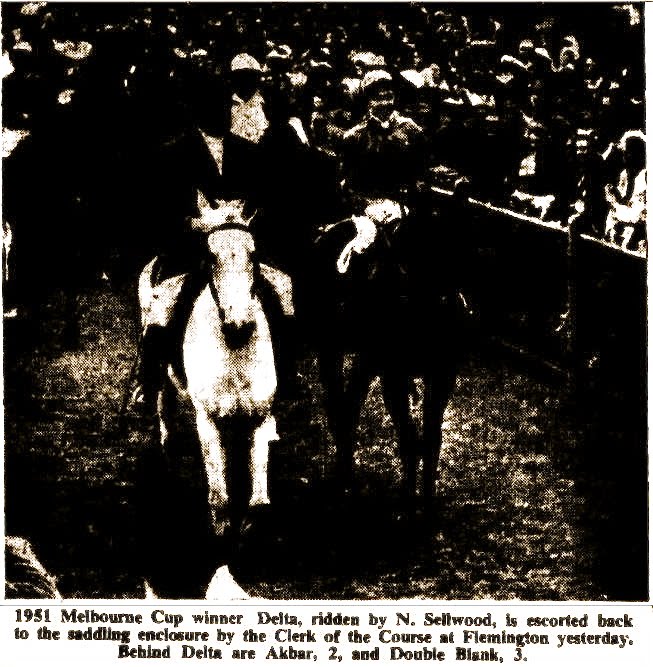

In onore alla vittoria di Delta al Melbourne Cup, Basser creò una marca di orologio che chiamò Delta.
Il fascino contenuto in questo orologio è prezioso, tuffatevi per un istante nel bellissimo e affascinante mondo delle corse dei cavalli, non solo scommesse ma bellissime dame, signori eleganti, d'altra parte si sa che le corse dei cavalli erano l'appuntamento mondano dell'epoca...
Quanti batticuori sotto le velette dei cappelli e quanti rossori dietro ai ventagli. Quante storie e quanta storia dietro tutto questo...
In honor of the victory of Delta in the Melbourne Cup, Basser created a watch marke called Delta.
The charm and history content in this watch is precious, dive for a while in the beautiful and fascinating world of horse racing, betting, but not only, beautiful ladies, elegant gentlemen, it is known that the horse races were the mundane appointment of that epoc.
How many heart beat under the veils of the womans hats and redness behind theyr ranges. How many sories and histories beheind ...


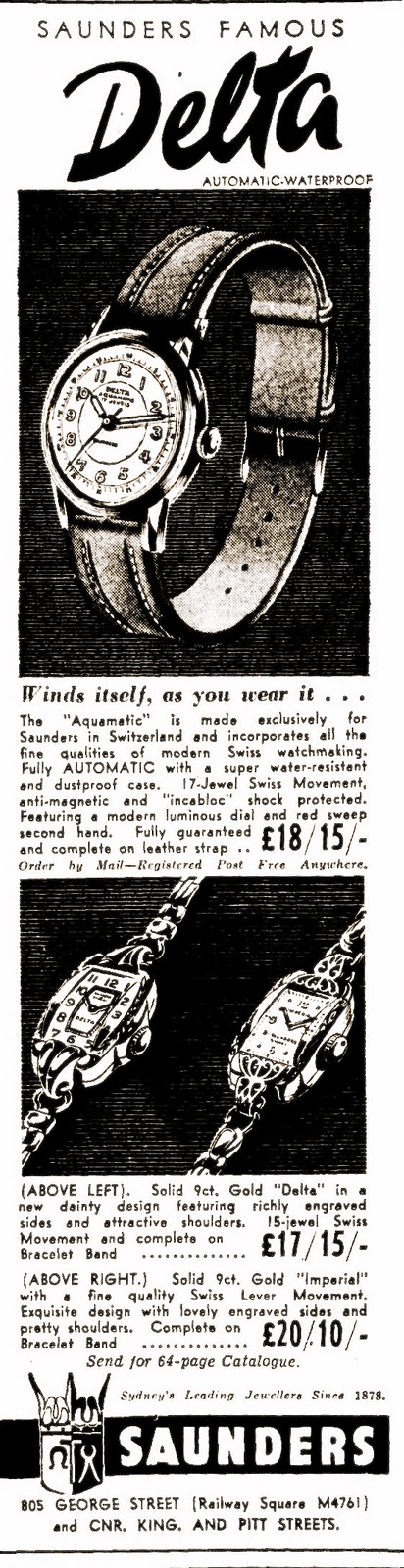
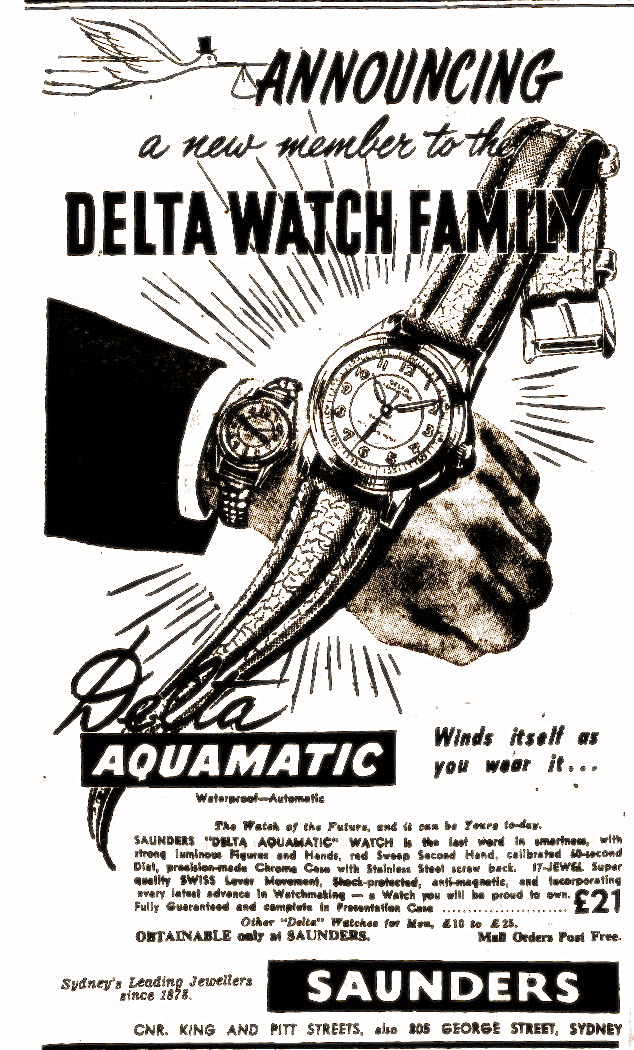

Basser divenne uno scommettitore moto attento che puntava maggiormente sui propri cavalli. Oltre a Delta c'era Empire Link, che vinse la gara Quenn Elisabeth Stakes nel 1953 e Indian Empire pagato 4.200 sterline alla fiera dei cavalli di Melbourne, un prezzo record per un puledro.
A careful punter, Basser stuck mainly to his own horses, such as Empire Link (winner of the Queen Elizabeth Stakes in 1953) and Indian Empire (for which he paid 4.200 paunds, the top price at the Melbourne yearling sales that year).
Il mondo delle corse dei cavalli della bell'epoque mi ha sempre affascinato ed è stata, ed è ancora, una grande ispirazione.
The world of horse racing's about "bell'epoque" has always fascinated me and has been, and still is a great inspiration.

Nominato Sir nel 1962, Basser fu colpito nello stesso anno da un ictus e si ritirò dalla vita pubblica. Morì il 20 ottobre 1964 presso la sua casa e Edgecliff. E stato cremato con rito metodista. Lasciava la moglie ed il figlio. L'ereditá dicharata di Adolph Basser era di 610.416 sterline. Adolph ha lasciato tutti i trofei vinti dai suoi cavalli al fantino di Delta, John Sellwood. Ci furono poi lasciti per i suoi parenti in Australia, a New York, Londra, Berlino e Israele. Il ritratto di Adolph Basser é detenuto dal Basser College.
La Saunders Ltd. fu fusionata dalla Angus & Coote Ltd. giá nel 1960 (dove Basser era l'amministratore)
così la Saunders Ltd. che, come lo stesso Adolph Basser definì : "il cavallo che corre e vince ogni giorno", fu pilastro portante della Angus & Coote, grandissima gioielleria Australiana.
Knighted in 1962, Basser suffered a stroke that year and retired from public life. He died on 20 October 1964 at his Edgecliff home and was cremated with Methodist forms; his wife and son survived him. Basser's estate was sworn for probate at £610,416; he left his racing trophies to his godson John Sellwood and made bequests to his relations in Australia, New York, London, Berlin and Israel. Sir Adolph's portrait is held by Basser College.
The Saunders Ltd. mergers by Angus & Coote already in 1960 (where the administrator was Basser)
So the Saunders Ltd. "the horse racing and winning every day" as Adolph Basser once said in a interview, was pillar of Angus & Coote, Australia's greatest jewelry.
From 1916, when his horse had won at the Kensington pony track and he had collected £200, Basser's great love was racing. In the decade following World War II he spent lavishly at yearling sales and bought more than forty horses. He paid 2.730 paunds for the yearling which he later raced as Delta.
Trained by Maurice McCarten and ridden by Neville sellwood. Delta won £48,169 in prize-money and twenty-two races, including the Victoria Derby (1949), the Victoria Racing Club St Leger (1950), and in 1951 the Australian Jockey Club Metropolitan and the Melbourne Cup. Basser reputedly won £50,000 in bets on Delta in the cup, and divided the £10,000 prize between McCarten and Sellwood.

In onore alla vittoria di Delta al Melbourne Cup, Basser creò una marca di orologio che chiamò Delta.
Il fascino contenuto in questo orologio è prezioso, tuffatevi per un istante nel bellissimo e affascinante mondo delle corse dei cavalli, non solo scommesse ma bellissime dame, signori eleganti, d'altra parte si sa che le corse dei cavalli erano l'appuntamento mondano dell'epoca...
Quanti batticuori sotto le velette dei cappelli e quanti rossori dietro ai ventagli. Quante storie e quanta storia dietro tutto questo...
In honor of the victory of Delta in the Melbourne Cup, Basser created a watch marke called Delta.
The charm and history content in this watch is precious, dive for a while in the beautiful and fascinating world of horse racing, betting, but not only, beautiful ladies, elegant gentlemen, it is known that the horse races were the mundane appointment of that epoc.
How many heart beat under the veils of the womans hats and redness behind theyr ranges. How many sories and histories beheind ...
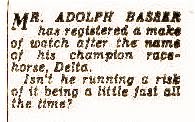


A careful punter, Basser stuck mainly to his own horses, such as Empire Link (winner of the Queen Elizabeth Stakes in 1953) and Indian Empire (for which he paid 4.200 paunds, the top price at the Melbourne yearling sales that year).
Il mondo delle corse dei cavalli della bell'epoque mi ha sempre affascinato ed è stata, ed è ancora, una grande ispirazione.
The world of horse racing's about "bell'epoque" has always fascinated me and has been, and still is a great inspiration.
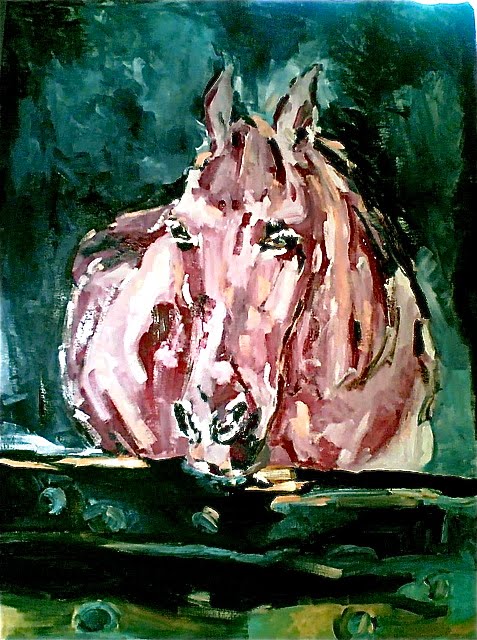
Laura Tedeschi - The purple horse
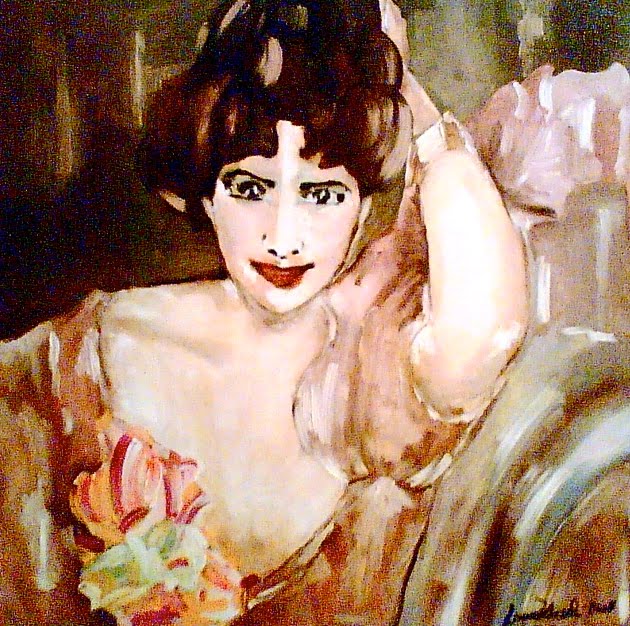
Laura Tedeschi - After Boldini
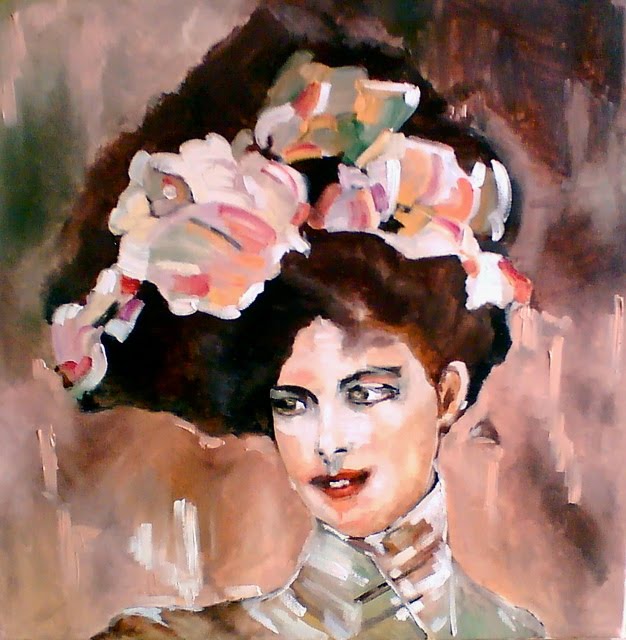
Laura Tedeschi - At the horses racing's
La Saunders Ltd. fu fusionata dalla Angus & Coote Ltd. giá nel 1960 (dove Basser era l'amministratore)
così la Saunders Ltd. che, come lo stesso Adolph Basser definì : "il cavallo che corre e vince ogni giorno", fu pilastro portante della Angus & Coote, grandissima gioielleria Australiana.
Knighted in 1962, Basser suffered a stroke that year and retired from public life. He died on 20 October 1964 at his Edgecliff home and was cremated with Methodist forms; his wife and son survived him. Basser's estate was sworn for probate at £610,416; he left his racing trophies to his godson John Sellwood and made bequests to his relations in Australia, New York, London, Berlin and Israel. Sir Adolph's portrait is held by Basser College.
The Saunders Ltd. mergers by Angus & Coote already in 1960 (where the administrator was Basser)
So the Saunders Ltd. "the horse racing and winning every day" as Adolph Basser once said in a interview, was pillar of Angus & Coote, Australia's greatest jewelry.







+8.jpg)


