Dopo la morte di Alfred il sogno continua impersonificandosi nella singolare figura di Adolph Basser.
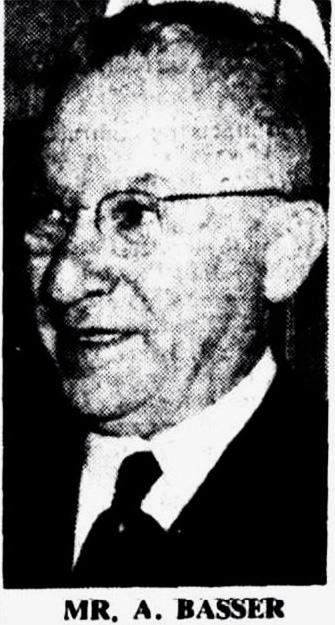
Adolph Basser fu un uomo speciale, come del resto solo un uomo speciale poteva proseguire e ingrandire il sogno iniziale di Alfred.
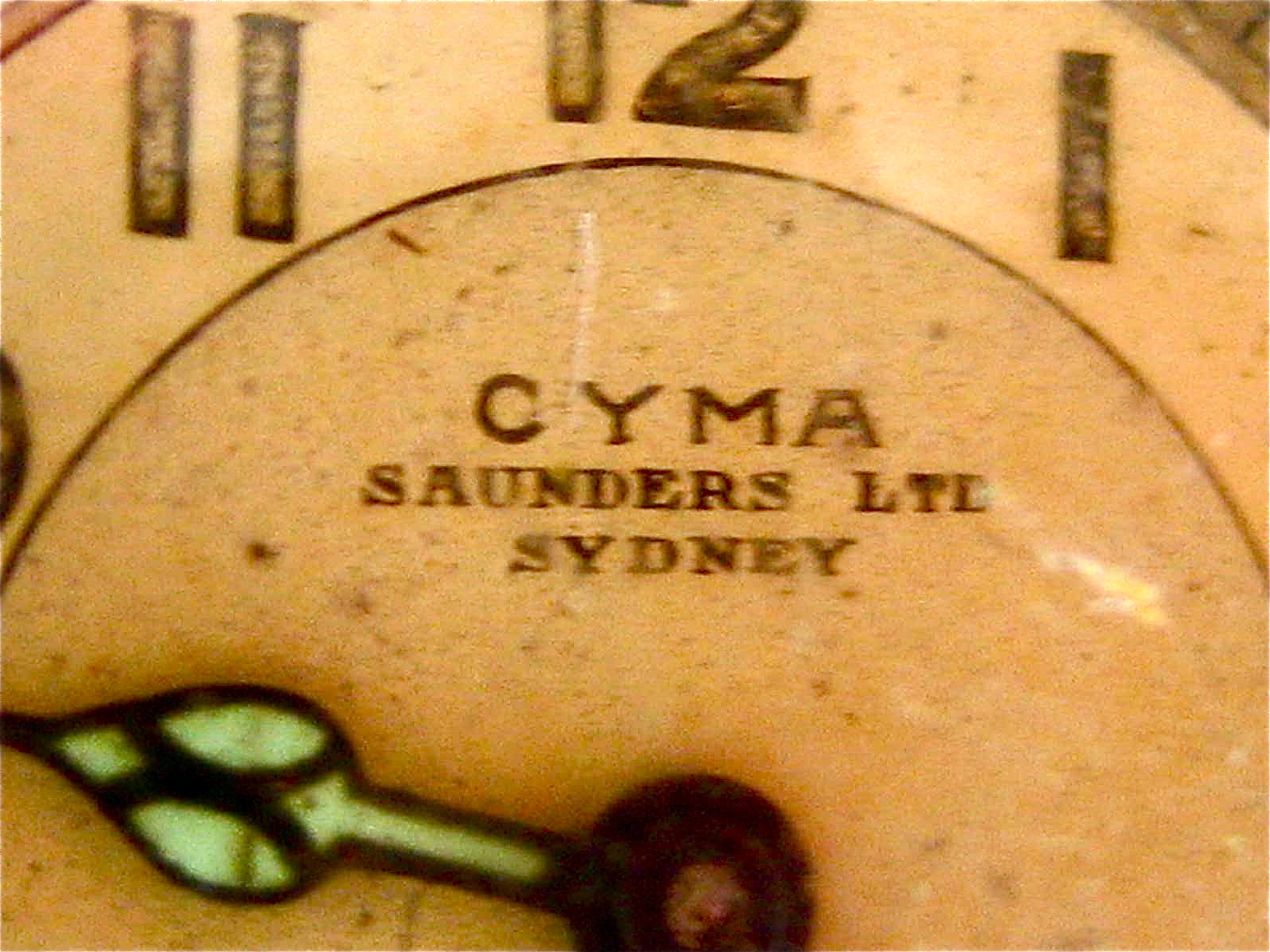
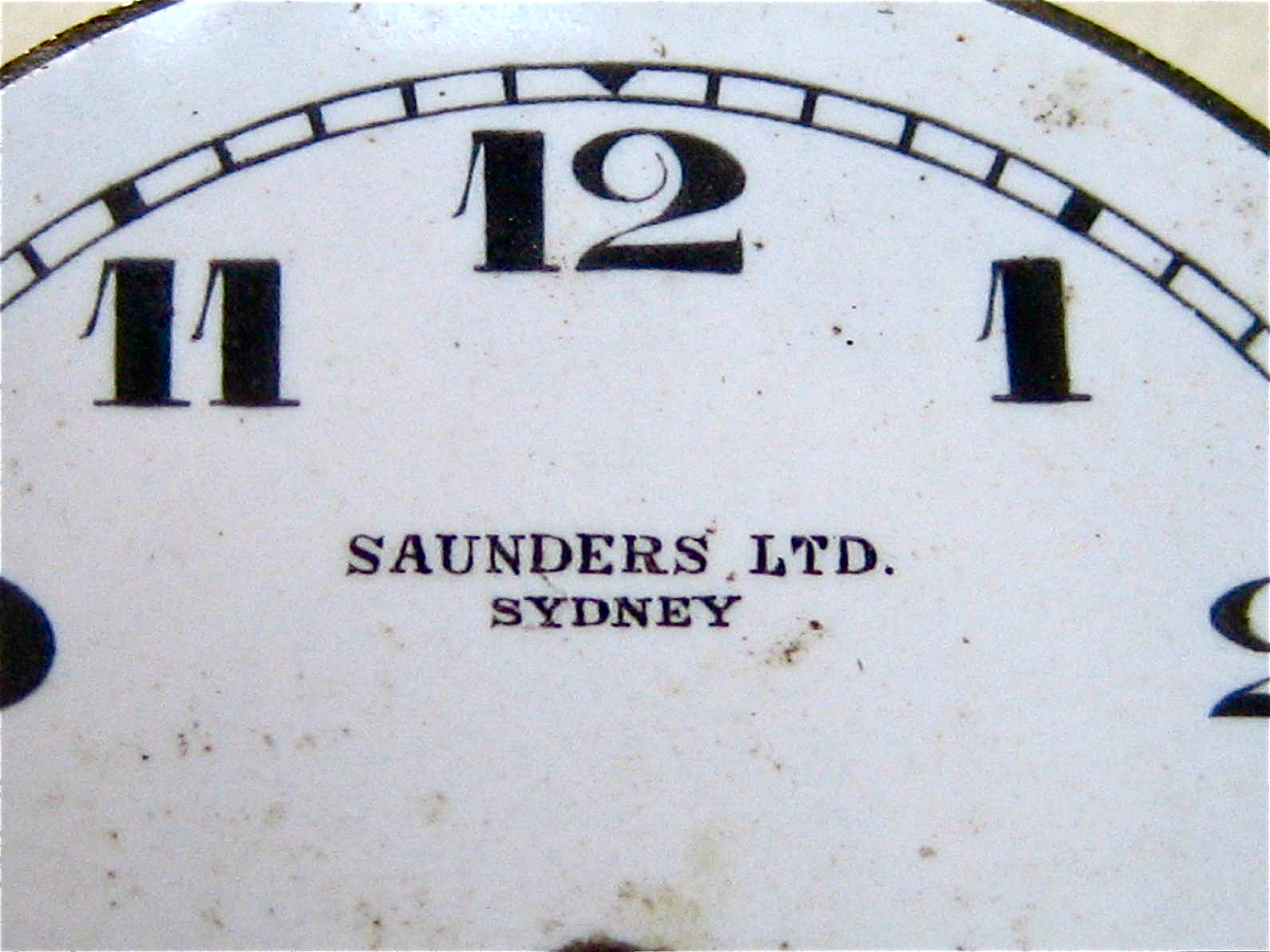
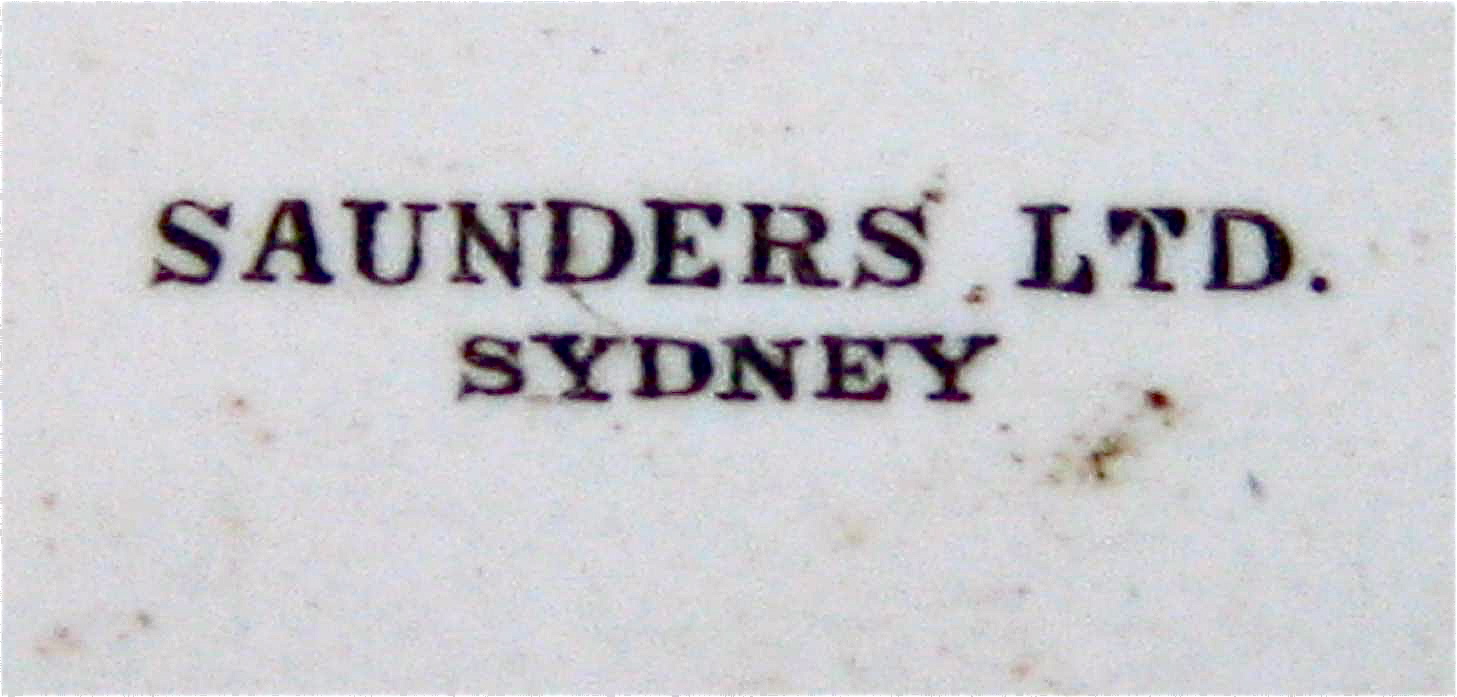
Nel 1928 l'attivitá iniziata da A. Saunders diventa Saunders Ltd.
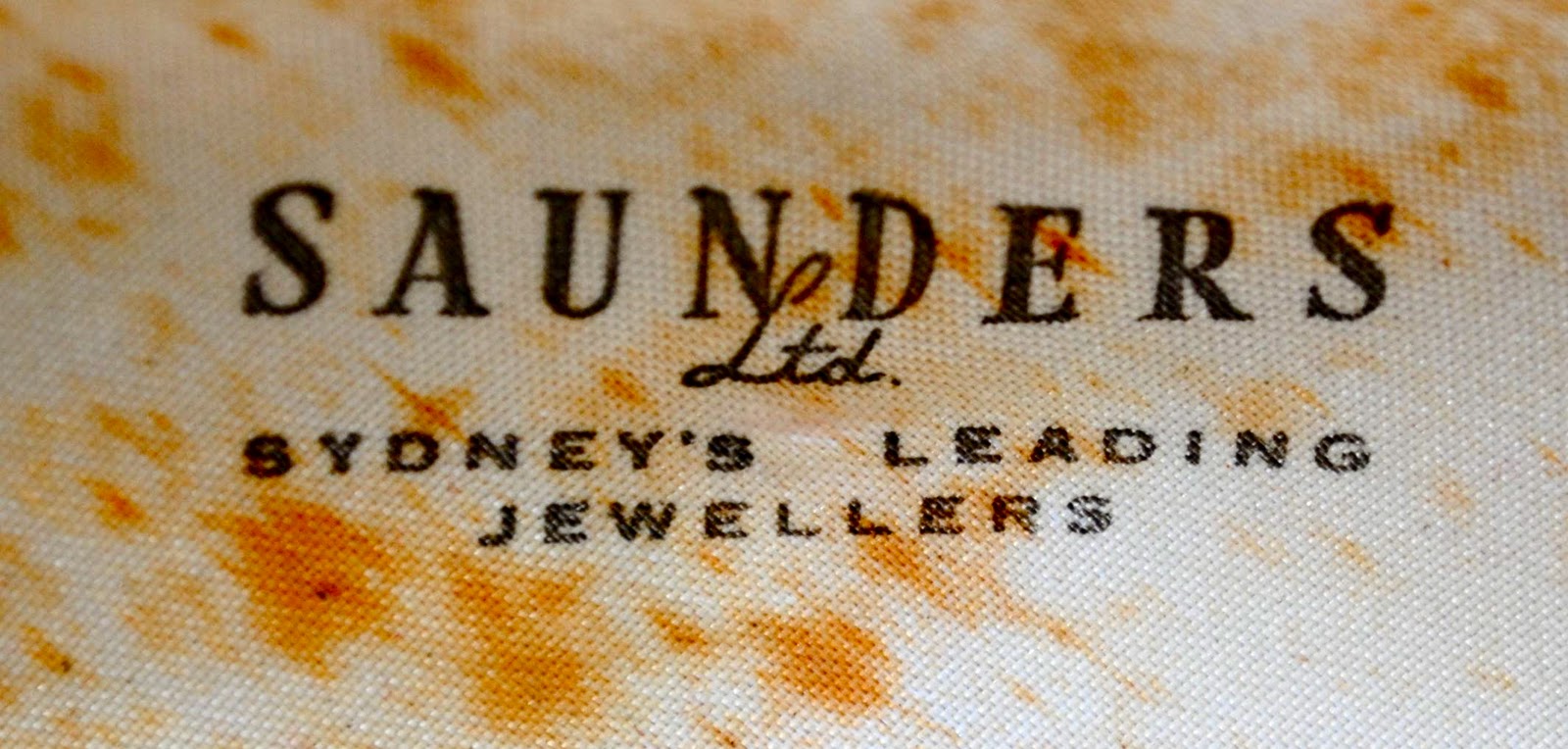
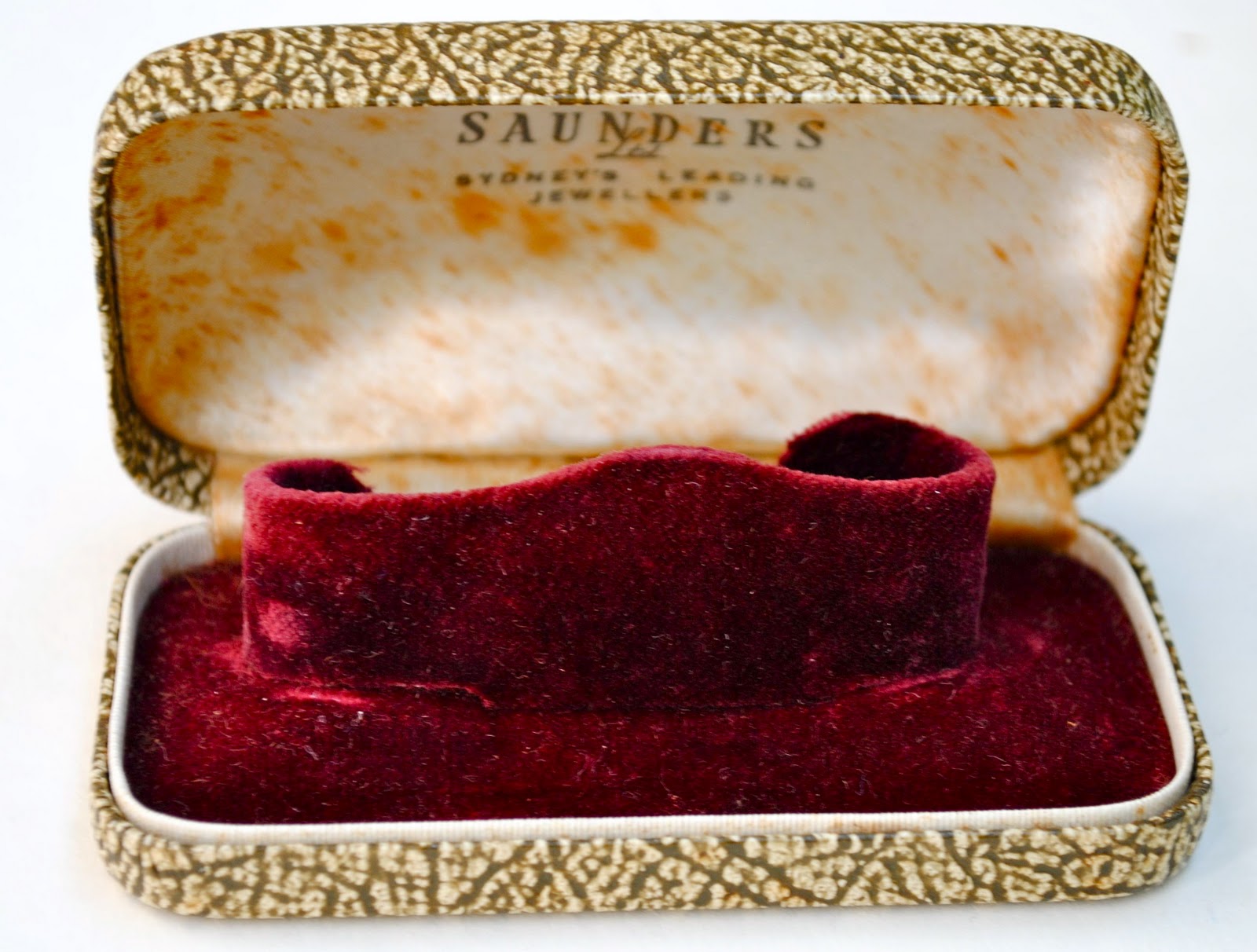
A rilevarla è Adolph Basser, che con le sue mosse strategiche la portò ad essere la piú grande gioielleria d'Australia, il nome Saunders fu mantenuto, e cosí il sogno di Alfred Saunders divenne realmente grande, forse ancora di piú di quanto lo stesso Alfred avesse osato pensare.
Adolph Basser: grande uomo. Conoscendo la sua storia potremmo comprenderne l'ardore e comprendere le sue scelte negli affari ma anche nella vita, scelte mosse dall'umanitá, dalla sensibilitá,
scelte che, forse per questi motivi furono sempre fortunate.
After Alfred Saunders death in 1927, in the year 1928 the business was formed into a Company thanks to Adolph Basser, and became Saunders Ltd., and grew still bigger under a progressive management.
Adolph Basser was a great man. Knowing his story we could understand his ardor and passion, we could understand his choices in business and in life, choices dictated by his great humanity and sensivity.
Sir Adolph Basser nasce a Cracovia, nell'allora impero austro-ungarico, il 26 giugno del 1887.
La sua famiglia è polacca ebrea, nasce dalle seconde nozze di Leo Wolf Basser con Lea Glaser. Il padre è propietario di un maneggio e i cavalli resteranno sempre nella vita e nel cuore di Adolph.
Abraham, il suo nome di nascita, lascia la scuola a 15 anni per proseguire gli studi con insegnanti privati e facendo l'apprendistato di optometrista a Berlino.
La prima e determinante decisione, Abraham la prende a 21 anni, quando decide di emigrare in Australia, il nuovo mondo offre molte opportunitá per chi è dotato di buona volontá e ingengo, inoltre puó contare su di un primo appoggio, quello del fratellastro Isadore che giá vive a Lightgow nel New South Wales. È cosí che nel 1908 inizia la sua grande avventura come commesso ambulante di occhiali per i coloni nelle zone piú isolate.
Adolph lavora sodo e piú tardi spiegherá il suo successo così "Non guardavo l'orologio, lavoravo duro, ma non per questo sono un ansioso".
Giá nel 1910 lavora, assieme a Salomon un altro suo fratellastro, come ottico a Sydney nel famoso palazzo "Challis House" al Nr. 4 di Martin Place, situata proprio vicino a George Street dove si trovava Alfred Saunders.
Sir Adolph Basser (1887-1964), optician, jeweller and philanthropist, was born on 26 June 1887 at Kraców, Austria-Hungary (Poland), son of Jewish parents (Leo) Wolf Basser, a stall-owner, and his second wife Lea, née Glaser. Named Abraham, he left school at 15, continued his education with private tutors and was trained in optometry in Berlin. Styling himself Adolf, he migrated to New South Wales in 1908 and joined his half-brother Isadore at Lightgow. Basser became a travelling salesman, peddling spectacles to settlers in isolated areas. He was subsequently to explain his succes: "I didn't watch the clock, I worked very hard. But I'm not a worrier".
By 1910 he was practising as an optician in Challis Hause Sydney near George Street, with another half-brother Salomon.
Challis House vista da George Street - Challis House from George Street about 1907
Martin Place about 1900
Il 18 dicembre 1912 Adolph sposa Miriam Nelson con rito ebraico nella casa paterna della sposa nel quartiere di Sydney Darlinghurst. L'anno successivo riceve la cittadinanza. A 25 anni Adolph è un uomo determinato, occhi e capelli castano scuro, di corporatura robusta, è alto 1,73.
Dopo 4 anni di matrimonio si trasferisce con la moglie in un altro quartiere di Sydney "Darling Point".
I due coniugi cercano di investire nel mercato immobiliare, Miriam possiede, giá dal 1910, un terreno in Clarence Street dove nel 1916 aprono la loro prima attivitá.
Nel 1921 fonda la manifattura di gioielli Deller & Basser Ltd.
On 18 December 1912 Adolph married Miriam Nelson with Jewwish rites at her father's Darlinghurst home. Naturalized next year, he was 173 cm tall and stockily built, with black hair and brown eyes.
On 1916 he moved with his wife to Darling Point. Both dabbled in real estate; Miriam had owned land since 1910 in Clarence Street. About 1916 he transferred his business there. By 1921 he had established Deller & Basser Ltd a manufacturing jewellers.
Clarence Street about 1900
Fu a questo punto che si incrociarono due destini...
Un grande Cliente della Deller & Basser era Alfred Saunders.
Dopo la morte di Alfred, Adolph è fermamente deciso a comprare la A. Saunders e per questo crea, nel 1928, una nuova societá: La Saunders Ltd.
Basser formed a proprietary company to buy out one of his major customers, the large Sydney manufacturing jewellers, Saunders Ltd.
Nel dicembre dello stesso anno Adolph trasferisce il suo ufficio nel Palazzo d'angolo a tre piani fondato da Alfred Saunders in Railway Square. Come managing director incrementa gli affari rapidamente. Durante la depressione compra la mercanzia di altri gioiellieri rivendendola con grandi profitti.
Nel 1931 la Saunders Ltd. Acquista una famosa gioielleria la „William Farmer & co. Ltd.“ Situata in Hunter Street, questa fu una mossa strategica per raggiungere gli abitanti della parte settentrionale e orientale della cittá.
In December 1928, he kept his office in its three-storeyed, corner building in Railway Square. As managing director, he expanded the business rapidly. During the Depression he bought the stock of other jewellers, held a sale and made a handsome profit. During 1931, the jewellery known as „William Farmer & Co, Ltd.“, of 15 Hunter Street, was purchased. It was realised that the Hunter Street end of the town offered a good opportunity for reaching the north shore and eastern suburbs people.
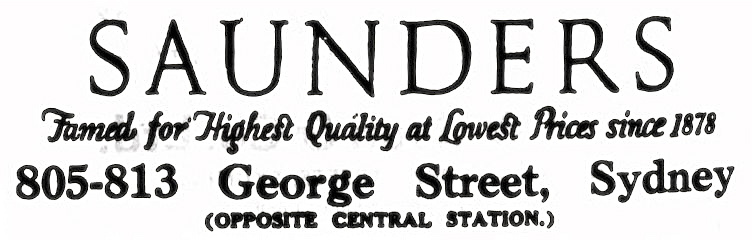
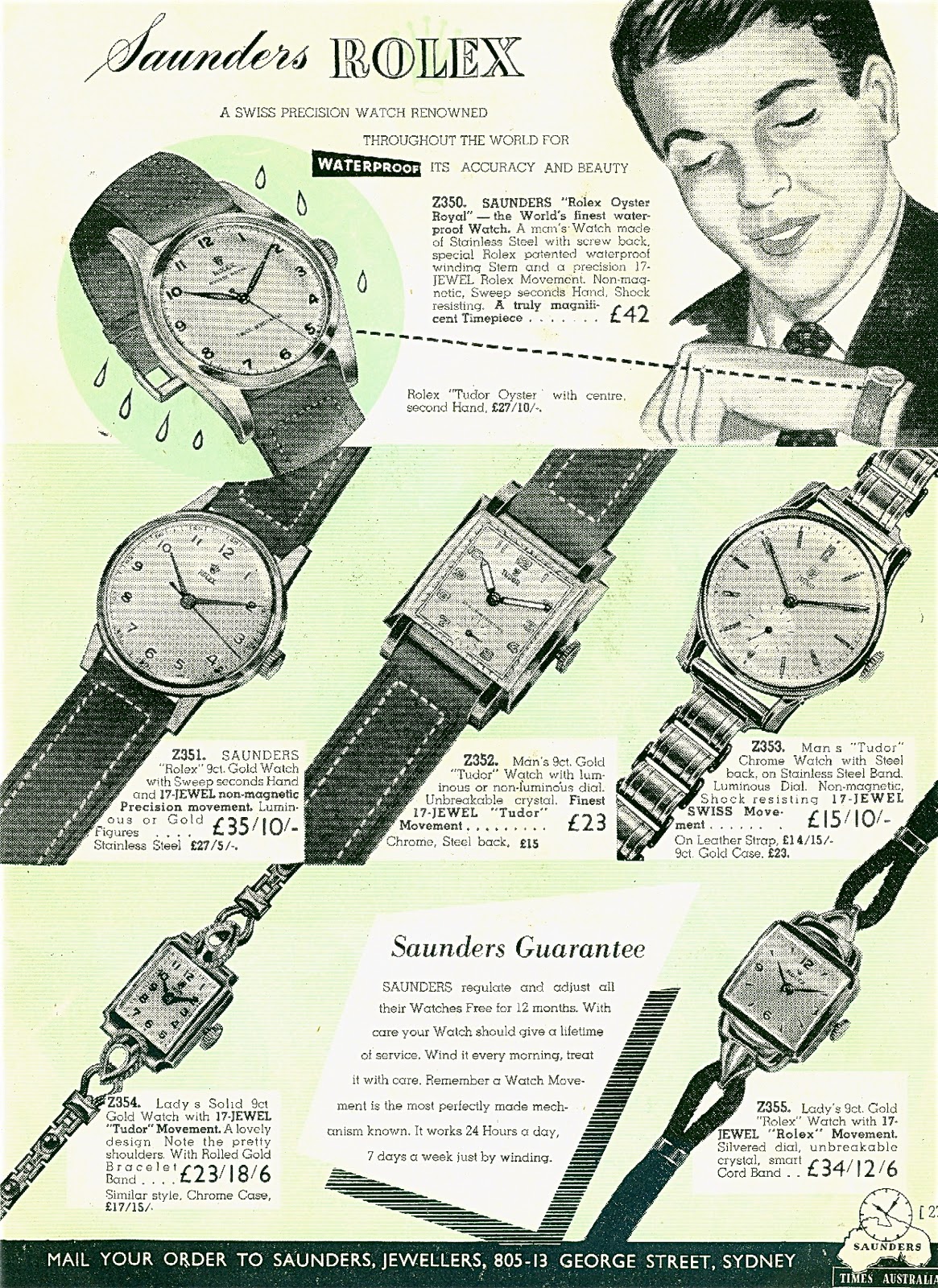
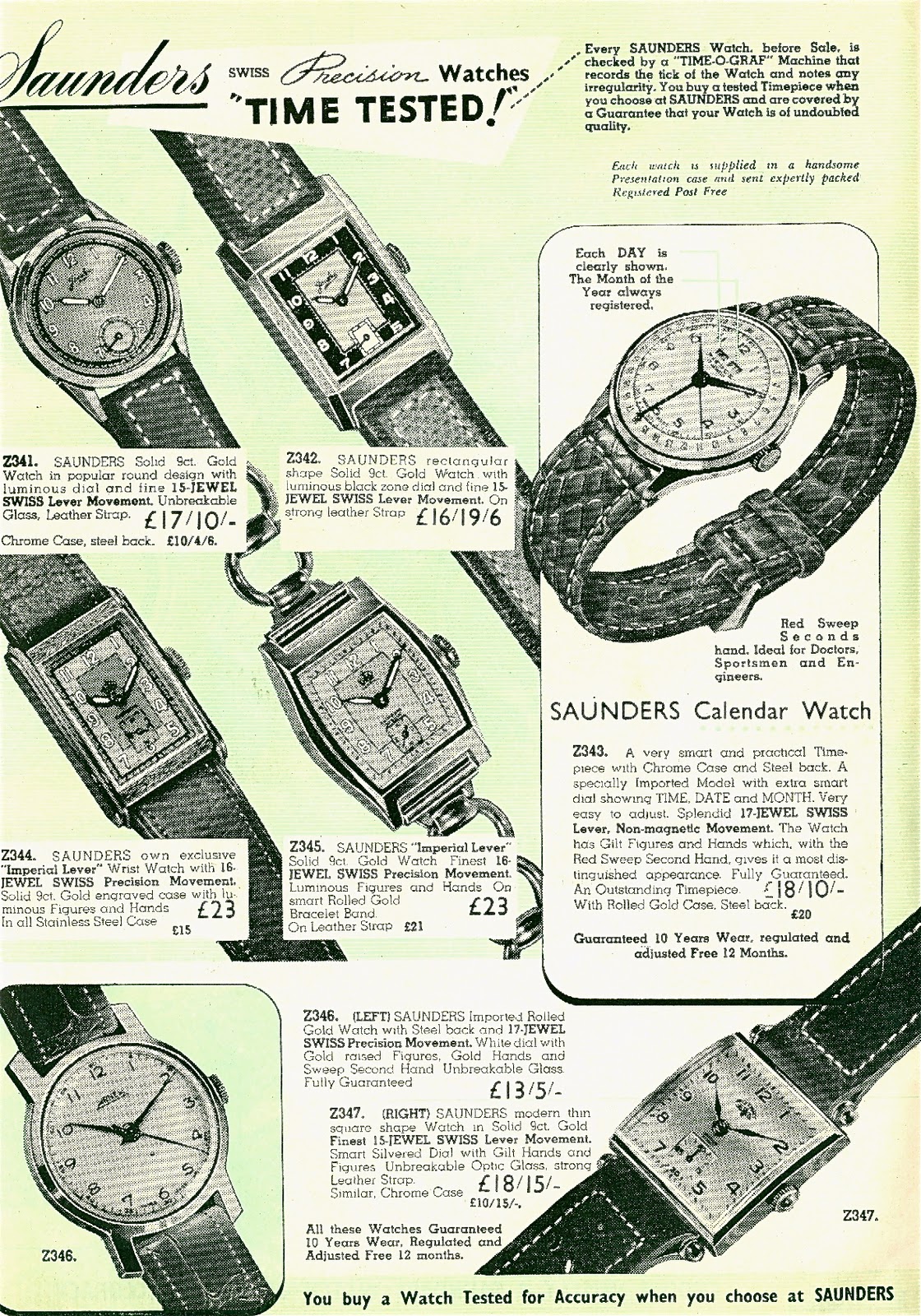
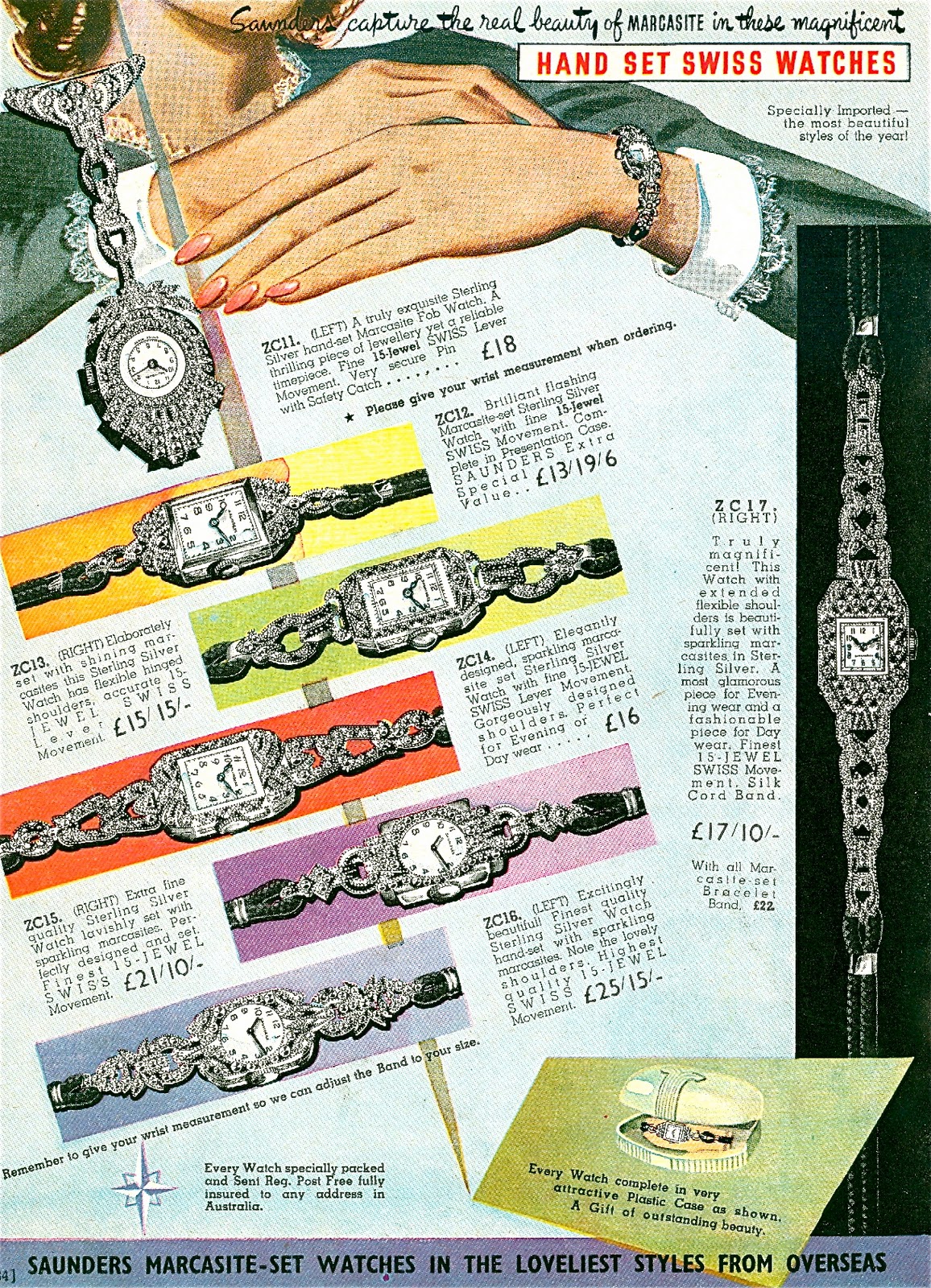
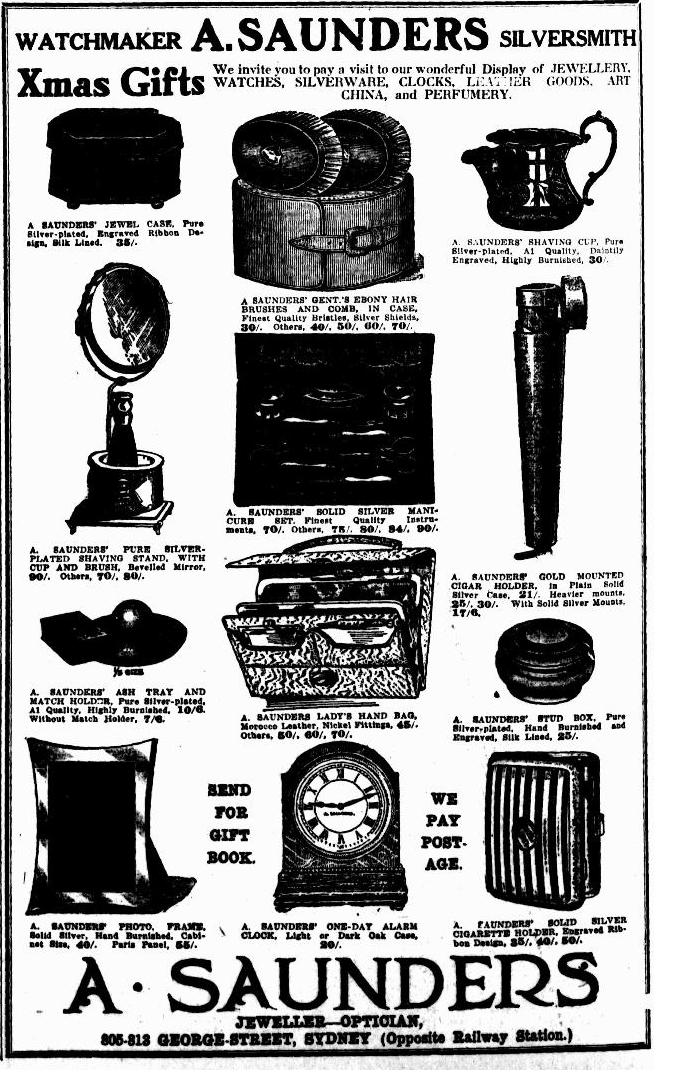
Original advertising - annunci dell'epoca
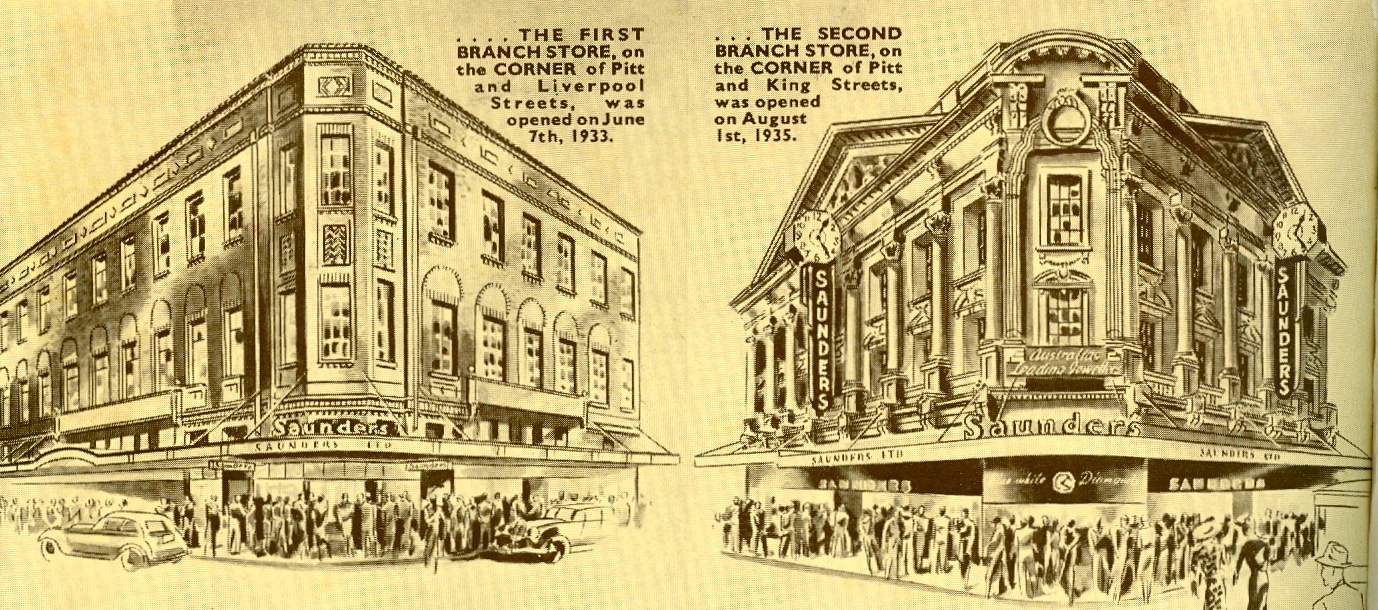
Il progresso ed il cambiamento dei trasporti pubblici offre una grande opportunitá di espansione per Sydney, Liverpool Street diventa una delle vie commerciali piú importanti della cittá. Adolph vede in questo una grande opportunitá, cosí nel giugno 1933 all’angolo di Liverpool Street e Pitt Street la Saunders Ltd. apre una filiale.
Questo nuovo negozio fu appositamente disegnato e arredato all’avanguardia, in maniera moderna, per visualizzare al meglio i gioielli.
Later changes in the city transport facilities, and the advent of the city Railway, made further opportunities for greater expansion. Liverpool Street became one of Sydneys best shopping areas, and Saunders saw in this the chance to further improve the service to the shopping public. On june the 7th, 1933, on the corner of Liverpool and Pitt Street, a branch store was opened – a store purposely designed to display, in a modern way, the finest jewellery and gifts.
Dal primo giorno ci fú un enorme riscontro di pubblico, l’intuizione della Saunders Ltd. era stata ancora una volta quella giusta.
All’epoca Sydney aveva tre grandi aree commerciali, la Railway ---Liverpool Street---e King Street. Cosí nel 1935 Saunders Ltd. acquista il palazzo della „Australian Mutual Fire Insurance Society Ltd., all’angolo con King e Pitt Street, l'acquisto suscitó molto rumore in quanto il prezzo d'acquisto di 180.000 sterline era un prezzo record per l'epoca.
From the first day the public responce showed that Saunders were fully justified in their policy of having a corner store in this new area. It was realised that Sydney had three definite shopping centres---the Railway andLiverpool Street--- and King Street. And so , a few years later, Saunders Ltd. made a further move, and purchased the building of the „Australian Mutual fire Insurance Society Ltd., on the corner of King and Pitt Street, in 1935.
Questa era una posizione angolare strategica nel centro della zona piú movimentata di Sydney e dava alla Saunders Ltd. il privilegio di essere su tre angoli nella parte più commerciale del centro della città. L’edificio era antico e il muro esterno venne mantenuto, in questo modo si costruì una magnifica gioielleria che fu inaugurata nell’agosto del 1935 e che fu considerata una delle piú belle gioiellerie viste al mondo.
This was a corner site in Sydney’s busiest area, and gave Saunders three corner positions in the picked shopping centers of Sydney. The building secured was an old one , but using the outside walls only, a magnificent new jewellery store was built. Opened on august 1st, 1935, this store is regarded as one of the most beautiful to be seen anywhere in the world.
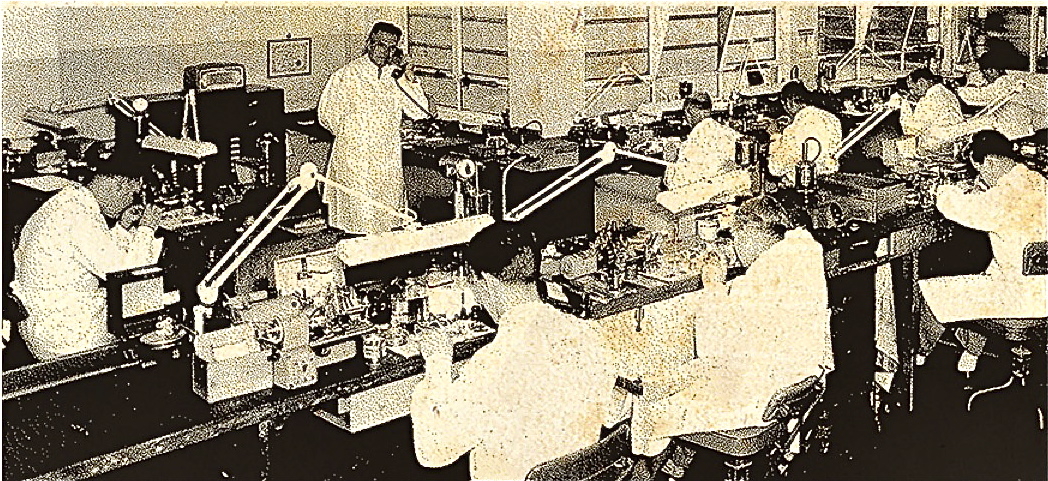
La Saunders dopo 60 anni era diventa una grande azienda, nello staff c'erano impiegati che avevano cominciato come ragazzi di negozio nel piccolo laboratorio di Alfred Saunders, otto di loro avevano dai 25 ai 50 anni di servizio.
In 60 years, a great business has been built. in the staff are employees who started as boys, in the small Alfred Saunders's shop since 50 years.
I tre negozi d'angolo erano come dei monumenti per la clientela di Sydney che scelse Saunders Ltd. come gioielleria d'alta qualitá ed integritá, dal 1878. Una favola che portó Saunders Ltd. al "Diamond Jubilee" lo sviluppo di Saunders Ltd. cresceva parallelo allo sviluppo di Sydney...
The three Corner Sores stand as monument to the Sydney public's approval of Saunders the jewellerys' skilled service and integrity, since 1878.
A tale that leads to Saunders Ltd. "Diamond Jubilee" the development of Saunders Ltd. grew parallel to the development of Sydney...
Gli affari fioriscono e dopo la seconda guerra mondiale nel dicembre del 1948 Adolph Basser registra la Saunders Ltd. come societá per azioni (public company).
La succursale di Wollongong fu inaugurata nel 1957 dal primo ministro J.J. Cahill in persona.
The business flourished after world war II and in December 1948 Saunders Ltd. was register as a public company.
Its Wollongong branch was opened by the premier J.J. Cahill in April 1957.
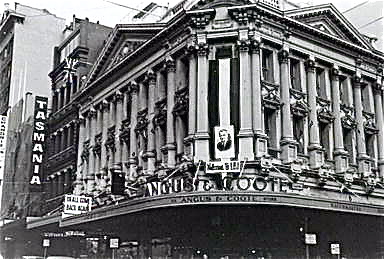
La ditta Saunders Ltd. viene fusionata il primo luglio 1960 con Angus & Coote Ltd. e Basser diventa amministratore della Holding formatasi tra le due grandi ditte.
The company merges on July 1th 1960 with Angus and Coote Ltd and Adolph Basser becomes director of the new Holding, formed between the two great companies.
Ma le basi gettate da Alfred Saunders andarono ancora piú lontano della fusione tra Saunders Ltd. e Angus & Coote Ltd. lo vedremo piú avanti, nei prossimi post.
Accanto all'attivitá di gioielliere Adolph Basser fu sempre mosso da grande sensibilitá facendo tantissima beneficenza, era un vero filantropo, anche per questo mi piace sinceramente ricordarlo, con tanto affetto perché ha fatto tanto per le persone meno fortunate, per gli ospedali, la ricerca ecc.
In beneficenza donó anche molti proventi della sua grande passione: i cavalli.
I cavalli furono sempre presenti nella vita di Adolph, entrarono nel suo cuore fin da quando era piccolo, nel maneggio paterno.
Un grande legame l'ebbe col cavallo Delta.
Il cavallo Delta, gli altri cavalli e tutta la beneficenza per la ricerca, tutte queste cose rendono Adolph Basser un grande uomo e a queste cose dedicheró un post intero.
But the foundations laid by Alfred Saunders went further away from the merger of Saunders Ltd. and Angus and Coote Ltd. we will see later, I will tell you all the story.
Next to his task as jeweler, Adolph Basser was always moved by great sensitivity, by a lot of charities, he was a true philanthropist, for this I sincerely like to remember him with much affection because he has done so much for the less fortunate people, for hospitals, research etc..
Many proceeds donated to charity we owe to his great passion: horses.
Horses were always present in the life of Adolph, came into his heart since he was a child, into the stall of his father.
Had a great bond with the horse Delta.
The Delta horse, other horses and all the charity for research, all these things make a great man and I will dedicated to Adolph Basser an entire post.



























+8.jpg)


